Parasitic Diseases
PARASITIC DISEASES
ICH / White Spot (Ichthyophthirius multifiliis) — Freshwater
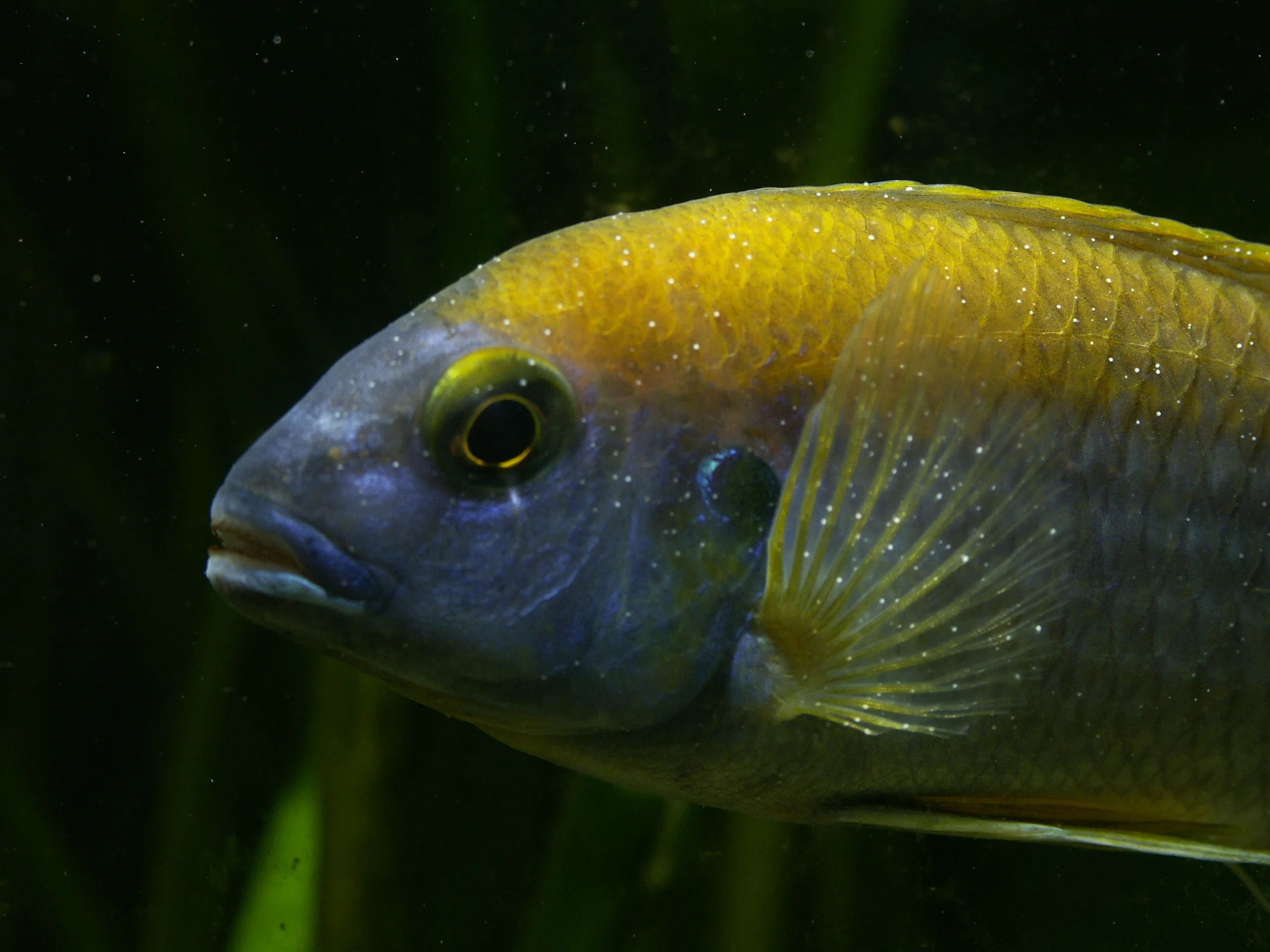
Symptoms: White salt- or semolina-like granules on the body and fins; rubbing against objects; affected gills Cause: Obligate ciliated protozoan Life cycle: The parasite (trophont) lives inside the fish → falls to the bottom (tomont) → divides into hundreds of tomites → which swim in search of a new host. The treatment kills only the swimming tomites—not the parasite inside the fish.
Treatment:
- High temperature: raising the temperature to 30°C speeds up the cycle (2–3 times) → the cycle ends faster
- Sodium chloride (salt): 2–3 g/L in freshwater — not for salt-sensitive fish (Corydoras, softwater tetras)
- Malachite green + formalin (a common ich treatment): effective but toxic to fish in excessive amounts
- Formalin (37% diluted formaldehyde): very effective, toxic; use with proper ventilation
- Combined stress: temperature + salt is the least toxic option
Without a quarantine tank: The cyst (tomont) survives in the aquarium for up to 3 weeks without a host → keeping the aquarium "fish-free" for 3–4 weeks at a high temperature (>28°C) can sanitize the aquarium.
Velvet (Oodinium pilularis) — Freshwater
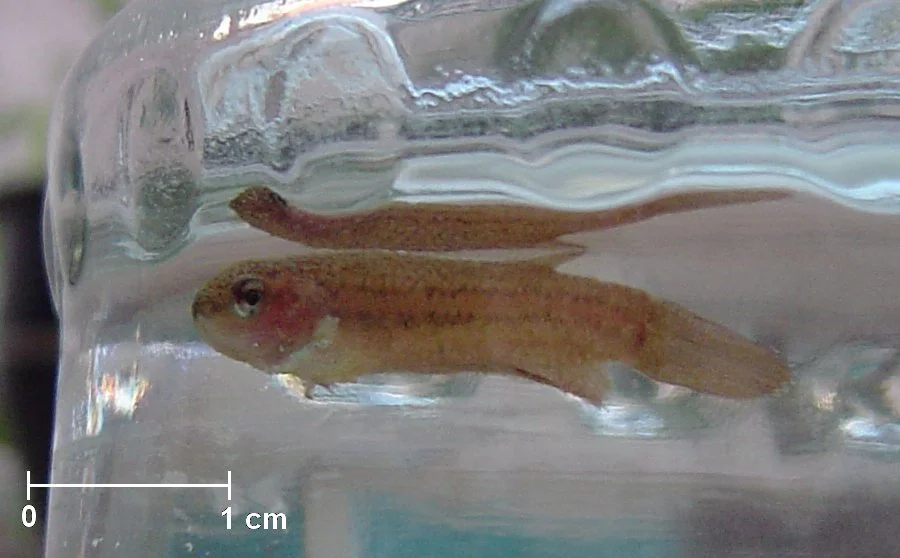
Symptoms: Very fine golden/grayish powder (like velvet), smaller than ich, intense scratching, gills affected first, rapid breathing Cause: Parasitic dinoflagellate Significance: Much more dangerous and fast-spreading than ich. It kills fish within days.
Treatment:
- Total darkness + high temperature: Photosynthetic Oodinium → cannot survive well without light
- Copper sulfate (with measuring device): the most effective
- Sodium chloride (salt): helps
- Specific medications (eSHa EXIT, JBL Punktol Ultra)
- Quarantine: An aquarium without fish needs to be kept in the dark for 4 weeks
Ich Marino (Cryptocaryon irritans) — Saltwater
Similar to freshwater ich, but:
- Much longer cycle (up to 28 days)
- It is NOT killed by heat or salt (it is a marine species)
- Copper Treatment (Chelated Copper) in Quarantine: Cupramine, CopperPower, Copper Power
- The main fishless aquarium needs to remain empty for 8–10 weeks so that the parasite dies without a host.
- NEVER use copper in an aquarium with live rock, corals, or invertebrates—copper accumulates in the rock and is impossible to remove
Copper-free alternative:
- Hyposalinity (reducing salinity to 1.009–1.010) for 4–6 weeks in quarantine
- Fish can tolerate it, but the parasite cannot
Marine Velvet (Amyloodinium ocellatum)
The Most Dangerous Thing at Sea
- It is fatal within 24–72 hours if left untreated
- Symptoms: golden powder, affected gills, gasping
- Treatment: Chelated copper; immediate quarantine
- Also sensitive to low pH during quarantine (pH 8.3 → lowering it to 7.8–8.0 may help)
Anchor Worm (Lernaea cyprinacea)
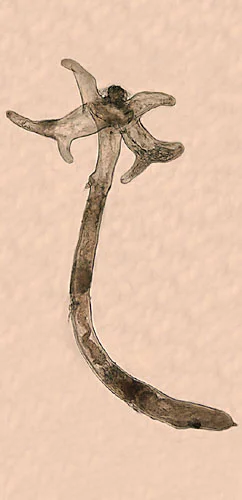
Symptoms: Visible reddish worms attached to the body, with swelling around the area Cause: External parasitic copepod Treatment:
- Manual removal with tweezers (by twisting the parasite)
- Treat the wound with an antiseptic
- Dipterex (trichlorfon) / DIMILIN in water
- Frequent water changes eliminate swimming larvae
Chilodonella (Chilodonella spp.)
Symptoms: Grayish skin, excessive mucus, affected gills, fish gasping at the surface More dangerous at low temperatures (cold water) Treatment: Salt, malachite green, formalin, fenbendazole
Tricodina (Trichodina spp.)
Symptoms: Itching, excessive mucus, reddened skin Treatment: Salt (2–3 g/L), malachite green