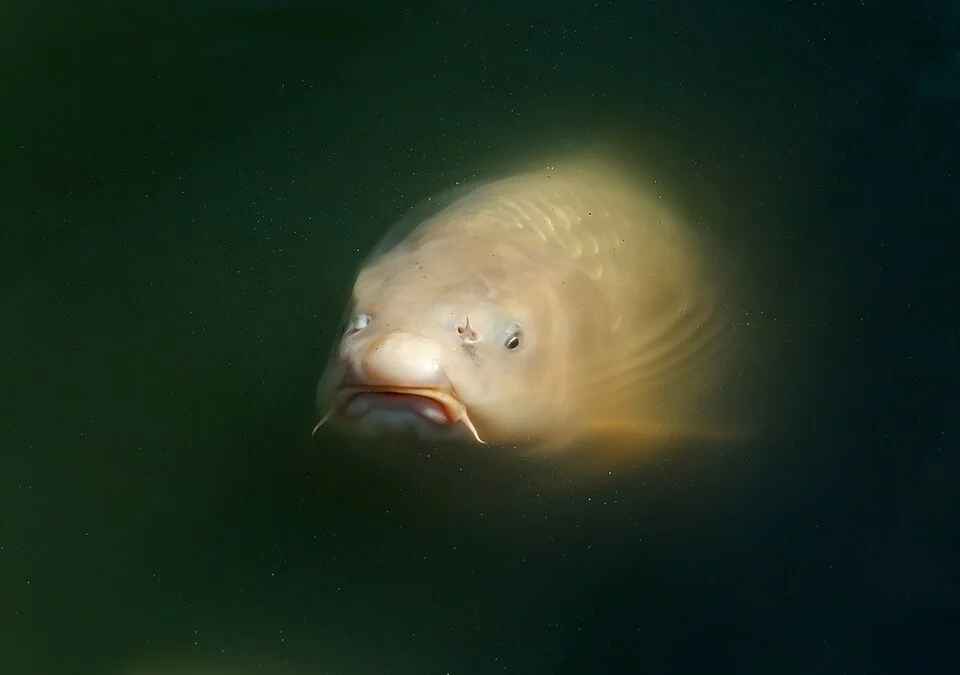
Koi Ponds
7 topics in this section
A pond is the ultimate expression of aquariums—a semi-enclosed ecosystem where nature and technology come together in the open air. Unlike a conventional aquarium, a koi pond requires architectural planning, large-scale filtration systems, and a deep understanding of the seasonal biological cycle.
Description
Maintaining a koi (Nishikigoi) pond is an art that combines engineering with biology. These ponds are typically large (at least 5,000 to 10,000 liters) to allow for the healthy growth of the fish, which can reach 80–90 cm in length.
The key to success lies in biological and mechanical filtration: Koi are fast-metabolizing fish that produce a large amount of waste. For this reason, drum filtration systems, fluidized-bed filters, and UV-C lamps are used to keep the water crystal clear and free of pathogens.
Key Design Considerations
For a pond to be viable in the long term, it must meet certain technical requirements:
- Depth: A minimum depth of 1.20 to 1.50 meters is essential to allow fish to hibernate at the bottom, where the water temperature is more stable during the winter.
- Location: Avoid placing the plants too close to deciduous trees and ensure at least 4–6 hours of direct sunlight for the plants to thrive, but provide shaded areas to prevent overheating.
- Oxygenation: Waterfalls, venturis, or disc aerators are required, especially on summer nights when dissolved oxygen levels drop.
Choosing Koi Ponds as your passion means committing to an ecosystem that will evolve over the years, becoming the living heart of your garden.