PH
pH
What is it?
pH measures the acidity or alkalinity of water on a scale from 0 to 14.
- <7 = Acidic (Amazonian waters, peatlands)
- 7 = Neutral
- >7 = Alkaline/Basic (Lake Victoria, Lake Malawi, seawater)
Logarithmic scale — very important
Each point represents a 10-fold change. A pH of 6 is 10 times more acidic than a pH of 7. A change from 7 to 5 means it is 100 times more acidic. That is why sudden changes in pH are so dangerous.
Values by Aquarium Type
| Type of aquarium | Recommended pH |
|---|---|
| Amazonian (Discus, Altum) | 5.5 – 6.5 |
| General Tropical Freshwater | 6.5 – 7.5 |
| African (Malawi/Tanganyika) | 7.5 – 8.5 |
| Brackish | 7.5 – 8.5 |
| Marine | 8.1 – 8.4 |
| Neocaridina Shrimp | 7.0 – 7.5 |
| Caridina Shrimp (Crystal Red) | 6.2 – 6.8 |
How pH Rises and Falls
It lowers the pH:
- Dissolved CO2 (in the form of carbonic acid)
- Wood (tannins)
- Mob
- Acidifying products (pH Down, phosphoric acid — use with caution)
- Osmotized water (mineral-free, unstable pH)
Raise the pH:
- Calcareous rocks (limestone, tuff, coral, slate)
- Coral sand or oyster shell
- Intense aeration (removes CO2)
- Alkalizing products
- High KH stabilizes and raises the pH
Measurement
- Colorimetric test (API, JBL): inexpensive, sufficient for general use
- Drop test (Salifert, Hanna): more accurate
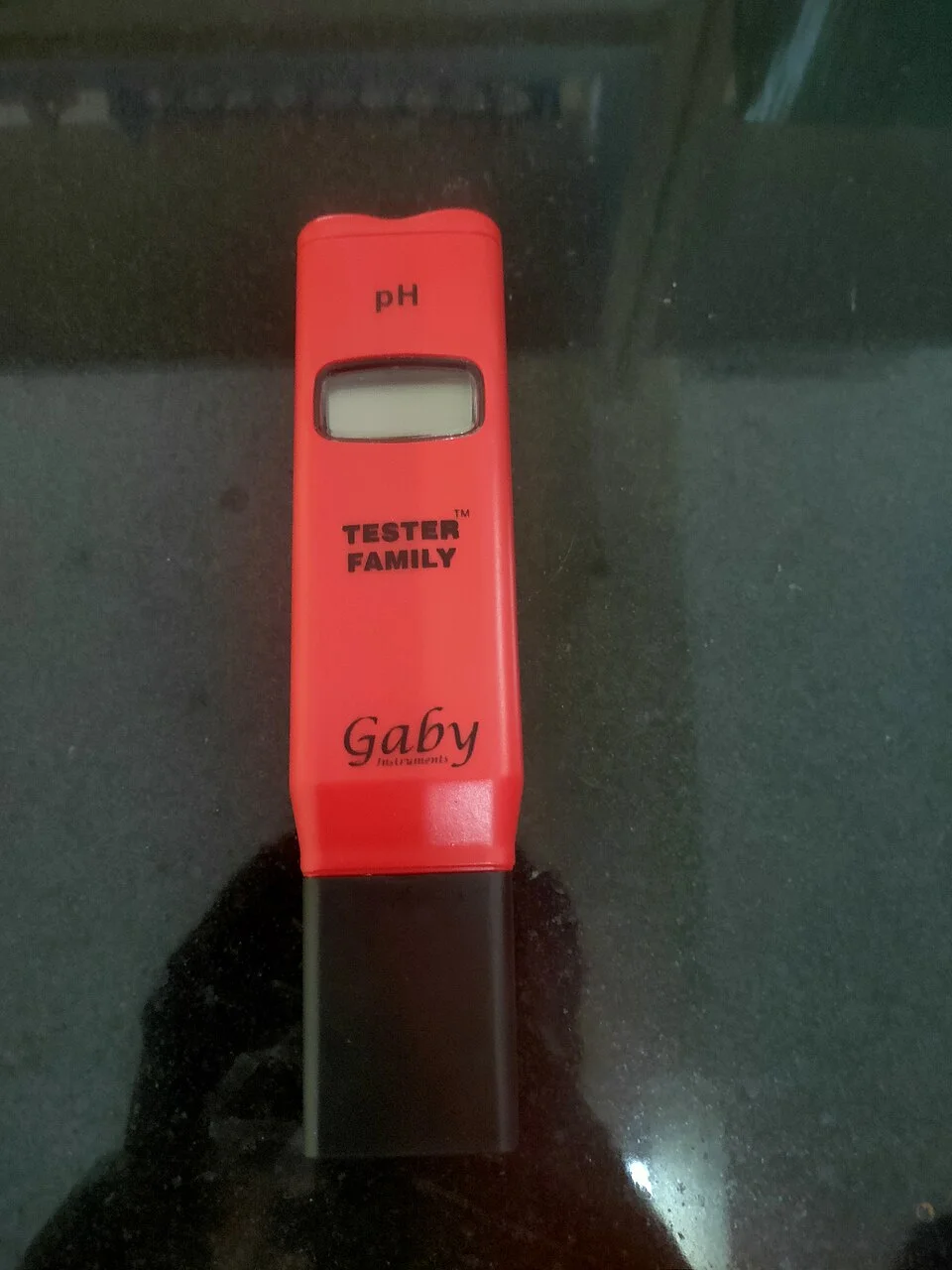
- Electronic pH meter: more accurate and convenient, but requires calibration